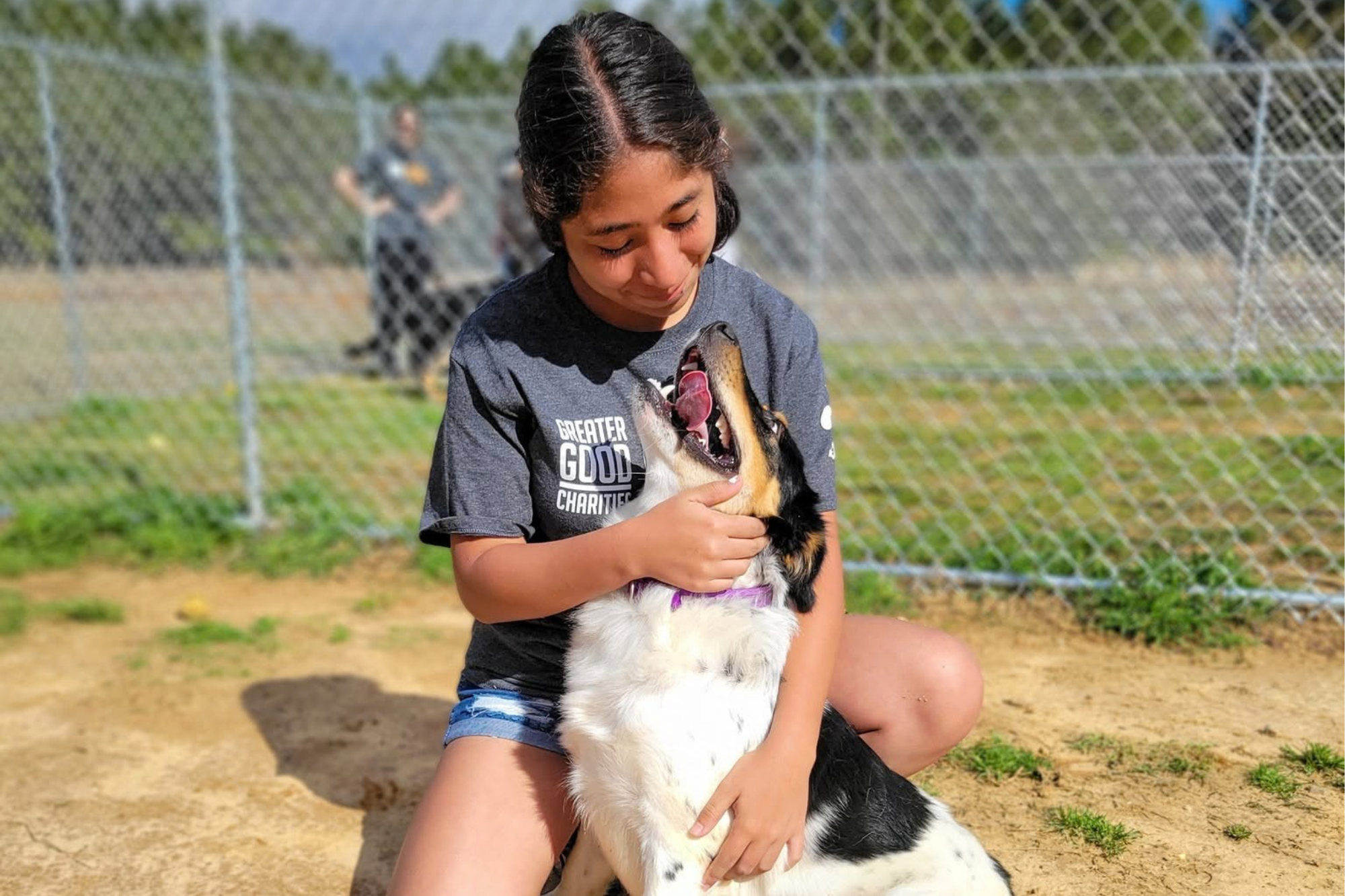
In temporary housing at human service shelters, resident safety is always a top priority. This becomes even more important when shelters welcome pets alongside their human companions. For clients seeking shelter, pets can provide comfort, companionship, and a vital sense of security. At the same time, staff members or other residents may be fearful of animals or unfamiliar with living alongside them. Creating a safe and comfortable environment for everyone is possible with thoughtful planning and a few practical, low-cost safety additions. These simple measures can help mitigate the fears and risks associated with housing people and pets together while supporting a welcoming environment for both.
Traffic Flow and Room Placement
Thinking about traffic flow before welcoming pets into a shelter can go a long way toward helping pets live safely alongside their human companions. Traffic flow refers to how pets will move throughout the shelter and how they will interact with shared spaces along the way. When possible, placing pet-friendly rooms away from common areas, such as kitchens, living rooms, and dining rooms, can make residents with allergies or fears of pets feel more comfortable using these spaces while also helping reduce stress for the animals. When pet rooms are located in high-traffic areas, frequent foot traffic outside the room can cause stress and anxiety for pets. They may be able to hear the activity and noises outside their room without being able to see or interact with what is happening. This can contribute to stress-related behaviors, such as scratching at doors and barking.
Ideally, a pet-friendly bedroom would be located away from high-traffic areas while also being near an exit for quick access to the outdoors, such as at the end of a hallway. We know that this ideal arrangement is not always possible, especially in existing shelter layouts, which is where thoughtful traffic-flow planning becomes especially important. One option is to designate one route for pets to exit the building and another for entering. Simple signage, such as paw prints placed on floors or walls, can help identify pet-friendly areas and distinguish them from pet-free areas. This gives all residents a better understanding of where pets are likely to be and where they are not allowed, allowing those with fears or allergies to avoid areas where they may encounter animals, if they prefer. Clear routes can also show pet owners which paths to take when entering and exiting the building, helping to reduce the likelihood of pet-to-pet interactions.
Planning where pets are and are not allowed, as well as how they will safely move throughout the building, is one simple way to promote safety for both people and pets in a shared shelter setting without requiring a significant investment.
Convex Mirrors
This simple addition is often overlooked, even in shelters that do not house pets! Convex mirrors are an effective way to give residents a view of what is ahead, allowing them time to react and make decisions before an interaction occurs. They are especially useful at the end of hallways, around blind corners, and in stairwells.
In shelters that house pets, convex mirrors can be particularly helpful for all residents. For example, if a pet owner needs to walk down a set of stairs to access an exit for their pet, a convex mirror can allow them to see whether another resident with a pet is already in the space before an unintentional interaction. This can help prevent unwanted pet-to-pet interactions while also giving residents the choice of whether they want to interact with other residents. For residents who are fearful of pets or have pet allergies, a mirror provides an opportunity to see whether a pet is ahead before unexpectedly coming face-to-face with one.
Gates on Pet Room Doors
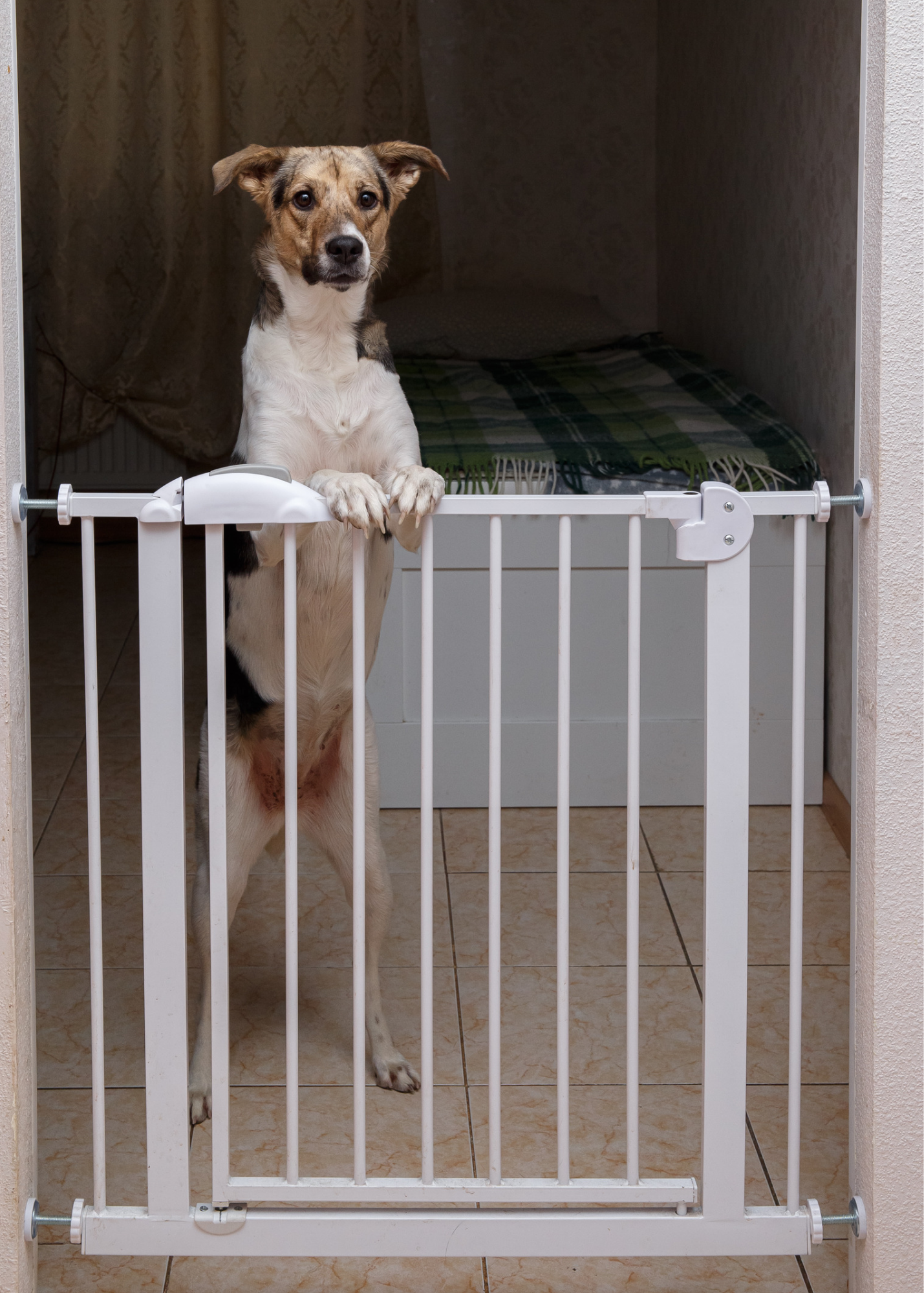
For pet-friendly bedrooms, adding a gate outside the door can be a helpful safety feature. There are many different styles available, depending on the type of door your shelter has. Some are pressure-mounted inside the door frame, while others mount to the wall either inside or outside of the doorway.
Gates can be useful for several reasons, including staff safety. Many shelters conduct regular room checks, and a gate allows staff members to open the door and look into the room without giving a pet the opportunity to exit or approach the staff member. This can be especially helpful for staff members who are fearful of pets, giving them an added sense of protection while still allowing them to perform their jobs.
Gates can also help prevent pets from escaping when a bedroom door is opened. Many dogs and cats are “door darters,” meaning they may run toward an open doorway as soon as the door is opened. A gate provides an additional barrier to keep the pet safely contained in the room, helping protect the pet as well as other animals, residents, and staff members in the shelter.
Pet Signage
This is another simple safety addition that can be easily overlooked in pet-friendly shelters. A sign on the door of a pet-friendly bedroom can be as simple as “Pets in Room,” or it can provide additional information, such as the number and type of pets in the room, the pets’ names, and any behavioral concerns. The more information provided, the better, especially for staff who may need to enter the room when the resident is not present.
Clear signage helps both staff and residents know where pets are located throughout the building and can be especially helpful during an emergency. If an emergency occurs, emergency personnel can quickly identify which rooms have pets. Likewise, signage on pet-friendly bedroom doors can assist staff when developing and implementing emergency plans that account for pets in the building.
Leash Anchors
Leash anchors are durable, wall-mounted hooks that allow residents to secure a leash while keeping their pet attached. They can be especially useful in intake areas, where residents often need to complete paperwork and speak with staff. A leash anchor keeps the pet safely contained while allowing the pet-owning resident to keep their hands free to complete the intake process.
In this setting, leash anchors can also give staff an opportunity to observe a dog’s behavior and body language in a new environment. This can be helpful because it allows staff to see how the dog responds outside of a crate, where it can be more difficult to accurately read body language when the pet cannot move around freely.
Another great location for leash anchors is in pet-friendly communal living rooms. They allow residents to spend time with their pets in shared spaces while keeping the animals safely restrained. This simple, inexpensive addition gives pet owners a little more freedom to participate in communal spaces without compromising the safety of their pets, other residents, or staff.
Double Containment in Exterior Spaces
In an exterior play space for pets, it is always a good idea to incorporate some type of double containment. This can be a second fence or a small enclosed area in front of the play yard entrance that creates an additional layer of security for residents moving in and out of the space with their pets. This extra barrier helps prevent pets from escaping and running loose on the property.
If the entire property is already fenced in, the property perimeter itself can serve as a form of double containment. In this case, if a pet were to get loose from their handler while moving in or out of the building or play area, the pet would still be contained within the property.
Visual Barriers
Visual barriers can be useful both inside and outside of the building. A visual barrier is anything that reduces a pet’s line of sight, which can be particularly helpful in reducing anxiety-related behaviors in dogs, such as barking.
Inside the building, a simple addition like window film can be placed on windows in areas where pets are staying. This can be particularly useful when the view outside the window is a highly stimulating environment, such as a street, parking lot, or children’s play area. Seeing people, vehicles, or other activity that they cannot access or interact with can be highly arousing for dogs. This can increase reactivity and barking inside the building, which may be disruptive or upsetting to other residents. Window film provides an easy, inexpensive, and nonpermanent way to reduce a pet’s exposure to these highly stimulating views, helping to reduce stress and support the pet’s well-being while also improving the overall environment of the shelter. It can still allow natural sunlight to come through the windows while limiting the pet’s direct line of sight to stimulating activity outside.
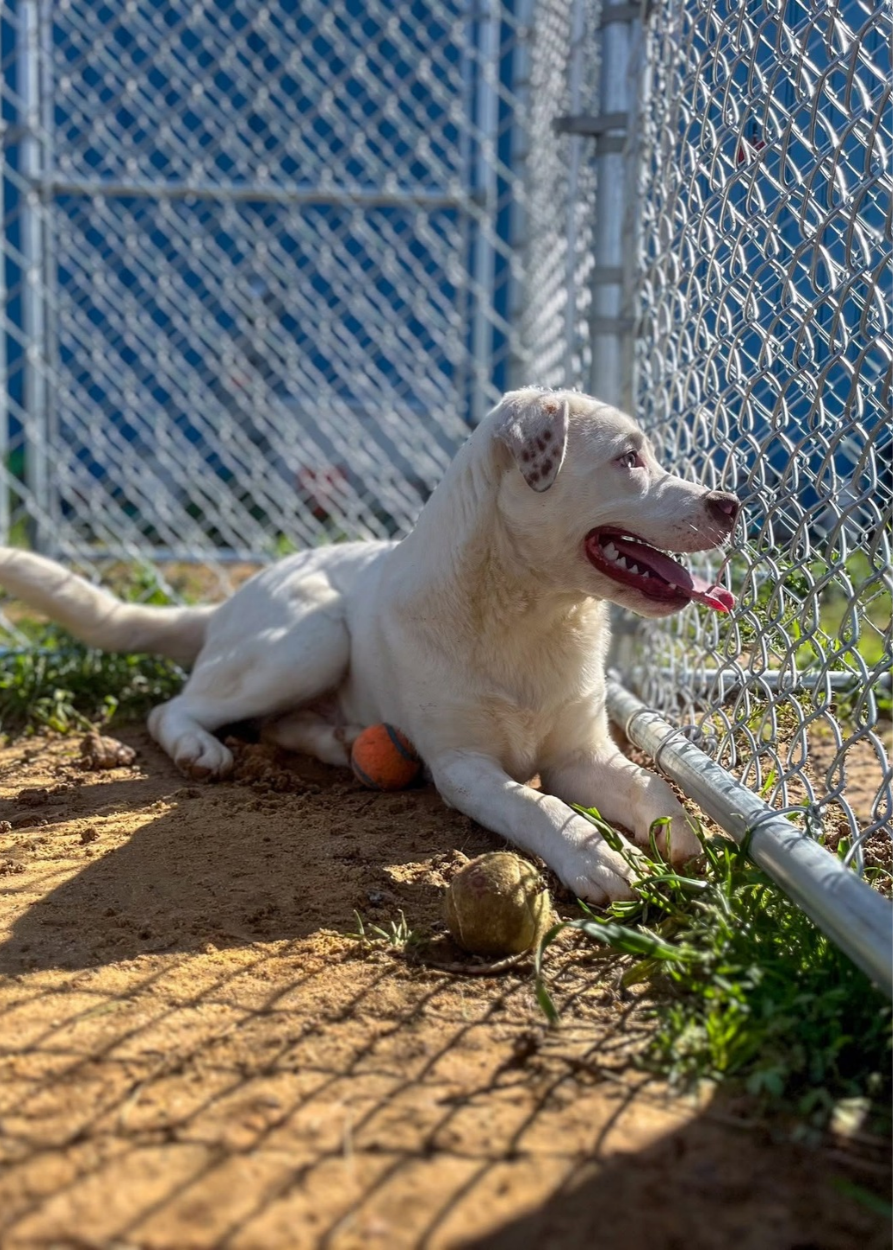
Visual barriers are also a great consideration for pet play yards. If a play yard is constructed with vinyl or wood-panel fencing, the fencing itself provides a visual barrier because people and pets cannot see through it. When chain-link fencing is used, adding a visual barrier, such as privacy slats, can help reduce the line of sight through the fence. This can help reduce fence aggression and barking while allowing residents to enjoy outdoor time with their pets in a calmer, more peaceful environment.
Privacy slats can also provide an additional safety benefit because they block the openings in chain-link fencing, preventing fingers from being passed through the fence. This is particularly useful in areas where children and pets occupy adjacent spaces. Children and pets are naturally curious about one another, so putting appropriate safeguards in place is especially important when these spaces are located next to each other.
Pet Body Language and Behavior Education
One of the best ways to improve the shelter environment when housing people and pets together is through education. Many fears surrounding pets can stem from a lack of exposure to or understanding of animal behavior and body language. Providing appropriate education can help residents and staff members who may be fearful of pets feel more comfortable living and working around them. Even staff and residents who are comfortable around animals can benefit from learning about pet behavior and body language, since not everyone knows the appropriate way to approach, greet, or interact with an unfamiliar pet.
It is also important to remember that pets entering a shelter with their owners may have experienced some type of trauma or abuse in their previous living environments. Even the friendliest pet can experience changes in behavior when placed in a new or highly stressful environment. Understanding animal behavior and body language can give staff and residents valuable insight into how a pet may be feeling and whether it is an appropriate time to interact with that animal.
Education is also a great opportunity to lean on your animal welfare partners. You do not have to be an animal expert to provide staff and residents with appropriate information on this topic. Reach out to your local animal shelter, veterinarian, or other animal welfare partners to see whether they can provide education on pet behavior and body language for your staff and residents. Another useful tool is posting educational signage throughout the shelter that highlights common pet body language and what different behaviors may mean. There are also helpful visual resources available online, such as the free educational materials from Doggie Drawings, which can be posted throughout your shelter to provide residents and staff with easy-to-understand reminders.


Sabrina started working with Rescue Rebuild in November of 2023. She always knew she wanted to work with animals and pursued her passion through many avenues. She started working on DFTP projects in 2024 and is excited to be on the Don't Forget The Pets team.