Disclaimer: These stories are shared with permission from the organizations and clients involved. To protect safety and privacy, names and identifying details have been changed.
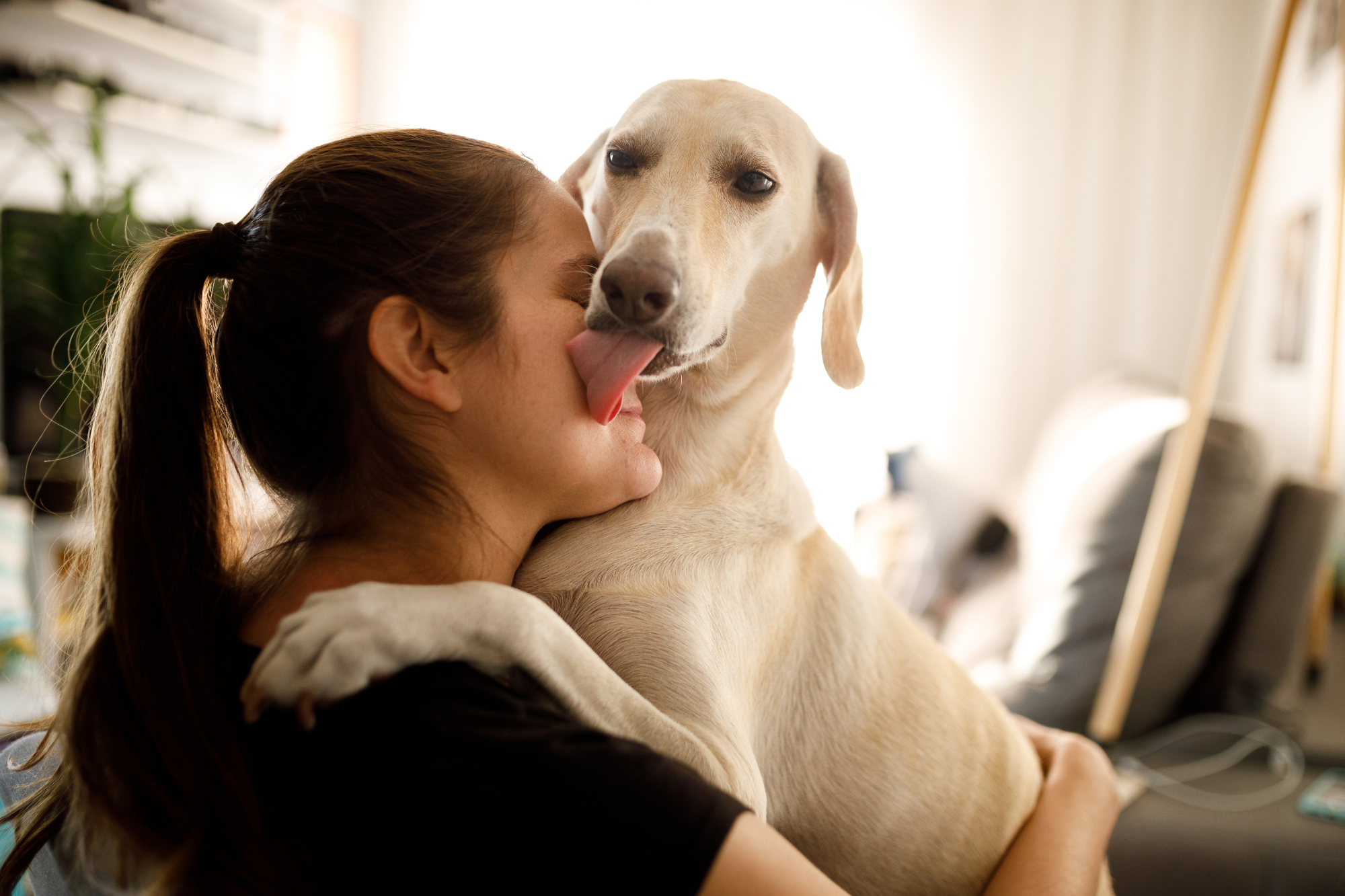
For many of us, pets are family—sources of comfort, stability, and unconditional love. For survivors of abuse and trauma, that bond can be more than emotional. It can be life-saving.
Decades of research show that pets experience trauma, too—both from what they endure and what they witness. When survivors are forced to leave pets behind, many delay escaping unsafe situations or never seek help at all. That’s why creating spaces where people and pets can heal together isn’t just compassionate—it’s essential. When shelters can’t serve pets, they can’t fully serve survivors.
This holiday season, the Don’t Forget the Pets team is honored to share real stories from organizations that chose to welcome pets into their programs. These stories show what becomes possible when shelters support entire families—people and pets together. Across years of firsthand experience, one truth is clear: pet-inclusive housing saves lives.
Domestic Abuse Family Shelter (DAFS)
In 2020, Domestic Abuse Family Shelter (DAFS) was already welcoming pets—but doing so came with challenges. Dogs had nowhere to go during the day while their people worked or attended appointments. Cats lacked quiet, safe spaces to decompress. The intention was there, but the environment needed support.
With grant funding from Greater Good Charities and RedRover, DAFS was able to expand its vision. Outdoors, new dog play yards, agility equipment, daycare kennels, and a privacy fence created safe places for exercise and enrichment. Indoors, a bedroom was transformed into a peaceful cat- friendly room complete with climbing shelves, scratchers, enrichment, and a private litter area.
The impact was immediate and lasting. Survivors felt more at ease. Pets thrived. Community support grew. One client shared how much it meant to stay with her dog, Pumpkin, “Thank you for letting me have Pumpkin here with me. She has saved my life being here with me”. Another survivor put it simply, “To be able to come to shelter and bring my dog with me saved both of our lives”.
Moments like these reminded staff why pet-inclusive spaces matter so deeply.
The Spring
By 2021, The Spring had spent more than 40 years supporting survivors of domestic violence and human trafficking. As they approached their 42nd year, they asked an important question: What if pets could receive the same care and consideration as the people who love them?
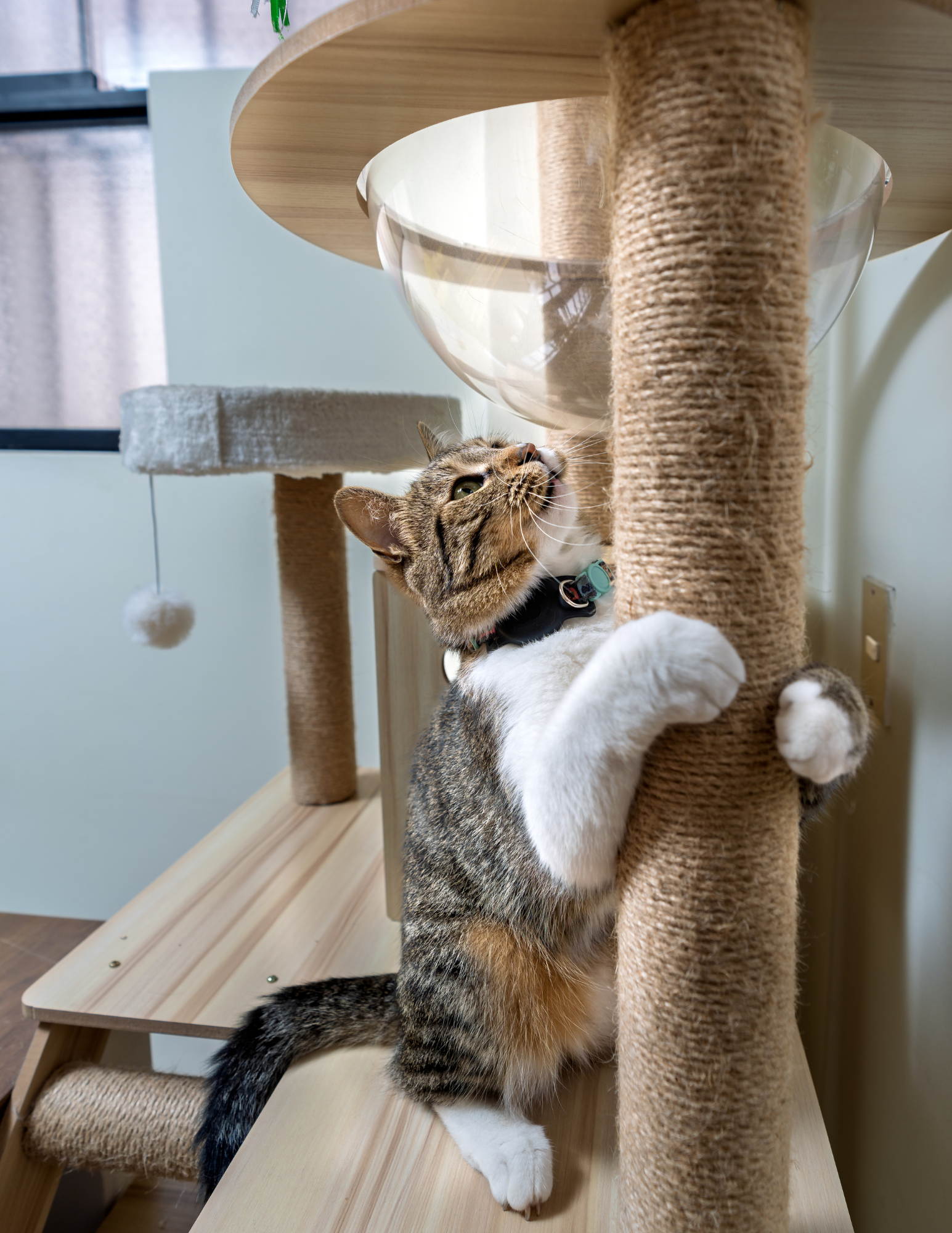
An existing pole barn on the property was renovated into a warm, functional pet space. It now includes a community cat room, indoor-outdoor dog kennels, visitation rooms, and an outdoor play yard. Cats can climb and hide—natural behaviors that ease stress—while dogs can run, explore, and settle into a safe routine.
About a year later, staff shared the story of Sara and her cat, Mr. Kitty—a story that captures the heartbreak of separation and the relief of reunification.
“Hey buddy, let’s go. I promise I won’t leave you here again.”
When Sara quickly fled an abusive situation, her cat was nowhere to be seen. Though she was safe and receiving services, the uncertainty weighed heavily. After securing a protective order that included her pet, Sara returned to her old home with a police escort and a cat carrier in hand.
When she heard a familiar meow, she said, “Hey buddy, let’s go. I promise I won’t leave you here again.”
Mr. Kitty wasn’t thrilled about the new surroundings at first—but there were shelves to climb, a cat tree to scratch, and, most importantly, his person was there. The yelling was gone. For both of them, healing could finally begin.
Save Voices
When Safe Voices opened a new facility, they made a deliberate choice to design it for both people and pets. Their in-room housing model allowed for thoughtful features like dog doors with private relief areas, an ADA-accessible deck, a fully enclosed backyard, and outdoor spaces where survivors could spend time with their pets.
Soon after opening, staff met Sofie. Though the shelter welcomed pets, Sofie initially left her two cats with a friend. She worried a shelter environment might be overwhelming—especially since her abuser had harmed the cats as a way to hurt her.
But being apart from them took a toll. Sofie became withdrawn, depressed, and struggled to get out of bed. Over time, she realized how deeply she needed her pets—and how much they needed her.
Once reunited, everything changed. The cats quickly adjusted to the shelter environment, loved the climbing bridges, and brought a sense of calm back into Sofie’s life. She began smiling again, engaging with others, and rebuilding her routines. Other survivors benefited too, finding comfort in a quiet moment with a purring cat on hard days.
Partners for Peace
Partners for Peace is a domestic violence resource center committed to supporting survivors and ending violence in their community. With support from Greater Good Charities, RedRover, and other partners, their facility was upgraded to better serve pet-owning survivors—adding durable flooring, pet-friendly furniture, outdoor play yards, and even a second washer and dryer.
“He has been my only source of love and acceptance in years. [He] often is the only reason to wake up”
For one survivor, Hannah, these changes made all the difference. She had struggled to find shelter that would accept her dog, Oliver, and had once left a program out of fear for his safety. This time, she refused to leave him behind. “He has been my only source of love and acceptance in years. [He] often is the only reason to wake up,” she shared.
In a safe, pet-inclusive space, healing happened for both of them. Oliver grew more relaxed. Hannah did too. She also noticed how pets helped survivors connect with one another:
“Having all the pets here is a way to easily relate to other guests and is a way to form strong human bonds through mutual love of animals. I am forever grateful for [Partners for Peace] for this time to recover, regroup, refocus, and retain the most important thing to me! The love I have for my dog!”
Safehouse Progressive Alliance for Nonviolence (SPAN)
SPAN is the only domestic violence shelter in its service area. For years, they relied on off-site fostering through the local humane society. While well-intentioned, the separation was often too painful—so painful that about 50 people each year declined shelter rather than leave their pets behind.
With support from Greater Good Charities, RedRover, and other partners, SPAN transformed all client bedrooms and shared spaces into a warm, pet-friendly environment. Outdoor play areas were added, and communal spaces were updated to welcome both people and pets.
“She just about gave her life to save me from him. . . at a time I couldn’t find the love in myself; she loved me.”
One survivor shared how her dog supported her through homelessness, abuse, and recovery:
“She has been my ride or die since I got her. She has helped me leave an abusive relationship. She just about gave her life to save me from him. She helps me when I get over-stimulated or when I have a bad anxiety attack. She will start licking me, then jump up in my arms and make me love her till I am okay. Sometimes she will make me get up and go on a walk outside. She has saved my life and has been my best friend at a time I couldn’t find the love in myself; she loved me.”
Her story echoes what so many survivors feel: pets aren’t a barrier to safety—they’re a lifeline.
Gateway Pet Guardians
Gateway Pet Guardians takes a different approach. As an animal shelter, this organization provides services such as animal intakes and adoptions, a pet food pantry, free spay/neuter and vaccinations, as well as many other forms of community support.
One of their most impactful services is their Surrender Diversion Program—temporary care for pets while families work through housing instability, medical emergencies, or domestic violence. Before renovations, pets in the program stayed in standard kennels alongside the general shelter population, which can be overwhelming for animals used to the quiet comforts of a home and the stability of a family.
“Their family visits them multiple times per week and the dogs are always overjoyed to see them.”
With donor support, an unused space was transformed into a calm, home-like environment with individual pet retreats, trauma-informed colors, enrichment, and pet-friendly furniture. It gave pets a chance to rest, decompress, and feel safe.
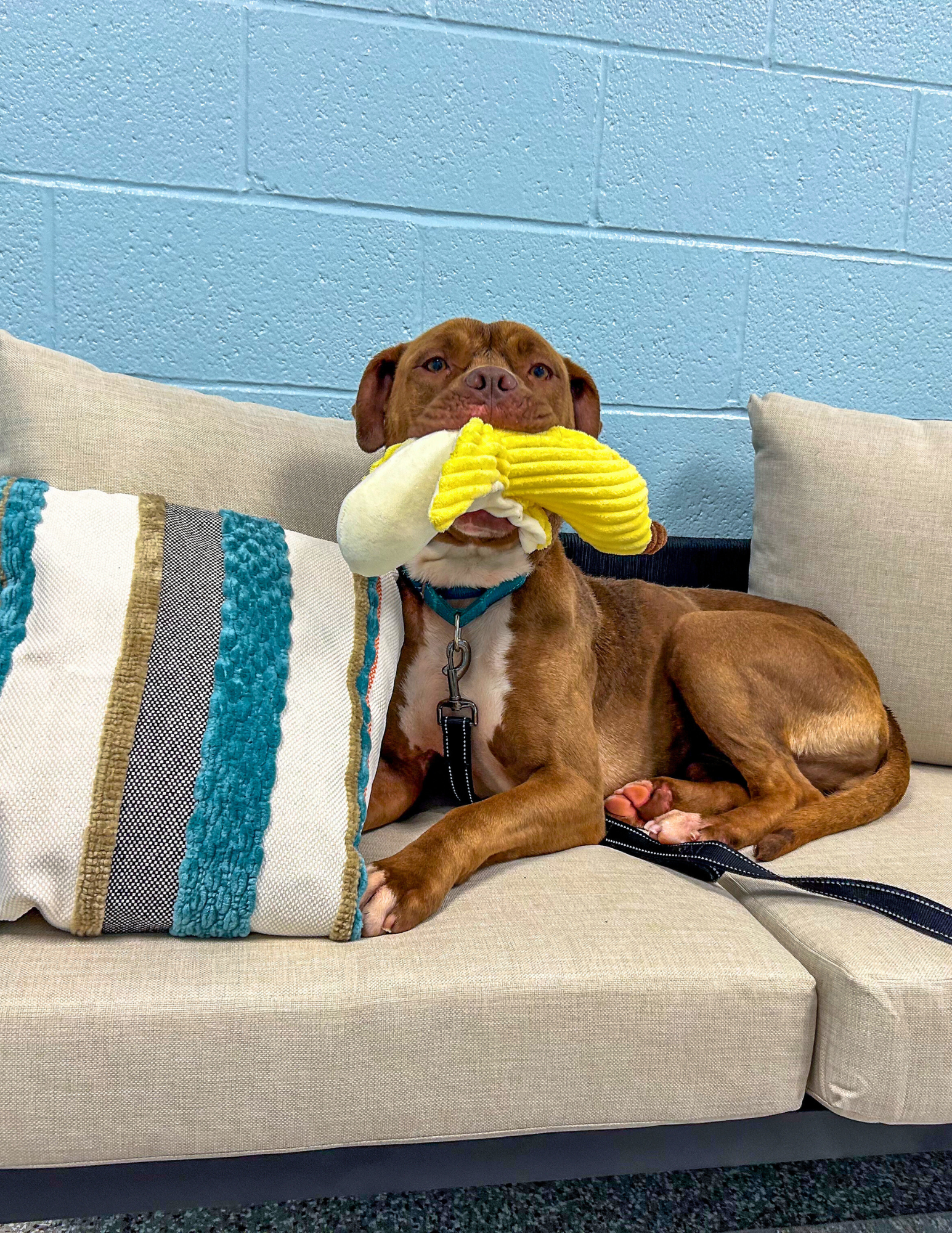
Staff shared the story of Bell, Duke, and Jewel—three dogs temporarily separated from their family due to eviction. “Their family visits them multiple times per week and the dogs are always overjoyed to see them. Having this temporary care space gives them a more comfortable space than the shelter, which is very scary to them after always being in a home. It’s also so nice to have a meet and greet room where they can spend time together.”
Final Thoughts
We know that adding pets to shelter programs can feel daunting. There are real challenges, and every organization’s situation is different. But every challenge has a solution—and pet-inclusive programs can take many forms.
What these stories show is simple: when we make room for pets, we make room for healing. We make it easier for survivors to seek safety, stay safe, and begin again—together.
Sabrina started working with Rescue Rebuild in November of 2023. She always knew she wanted to work with animals and pursued her passion through many avenues. She started working on DFTP projects in 2024 and is excited to be on the Don't Forget The Pets team.